
A Typical Case of Wining Trademark Invalidation Litigation through Well-known Trademark and Malicious Intent Claims by Unitalen Client Taiwan Fullrich
February 25, 2021Our client Fullrich (Chinese name as “富麗真金”) Textiles was founded in Taiwan in 1988 and its wholly Taiwanese-owned enterprise in Hunan Province has sales network nation-wide in mainland China and enjoys high popularity. The defendant, Hunan Fu-li-Zhen-Jin(Chinese name as “富麗真金”) Furniture Co., Ltd. ,was registered and established by a natural person Mr. Chen in 2007. In 2015, Fullrich discovered that their business name in Chinese is used by the defendant and filed unfair competition litigation.
The Changsha Intermediate Court of first instance and the Hunan Higher Court of second instance both found the aforementioned act of the defendant constitute unfair competition. The case was also selected into the Top 50 typical cases by the Supreme Court in 2016.
With the winning litigation,Fullrich filed for invalidation of the trademarks registered by the defendant (the disputed trademark) citing their prior trademark
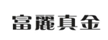 (the cited trademark), which, however, was not supported by the review decision made by the Trademark Office. Therefore, our law firm filed an administrative litigation on behalf of Fullrich.
In the litigation, our lawyer explained how each word used in the trademark represent the vision and wishes of the founders of Fullrich (a couple from Taiwan). While the defendant failed to provide a reasonable explanation. In addition,we claimed that the cited trademark had already been well-known prior to the filing date of the disputed trademark; and the defendant shall constitute malicious intent because of his connection with a location of a store owned by Fullrich, therefore, even though the disputed trademark had been registered for more than 5 years, the 5-year limit for invalidation request shall be removed. All of these claims were supported by the Beijing Higher Court in 2019, and by the Supreme Court in 2020 retrial.
Keywords
Headquarters
Add(Beijing):7th Floor,Scitech Place,22 Jianguomenwai Avenue,Beijing 100004,China
Tel: +86 10 5920 8888
Fax: +86 10 5920 8588
E-mail: mail@unitalen.com
Newsletter
Do not miss out on the latest announcements we've provided
Networking



Unitalen Mail Box ?2016 Unitalen Attorneys at Law 版權所有 集佳知識產權代理有限公司 京ICP備11033076號 京公網安備11010502020670